
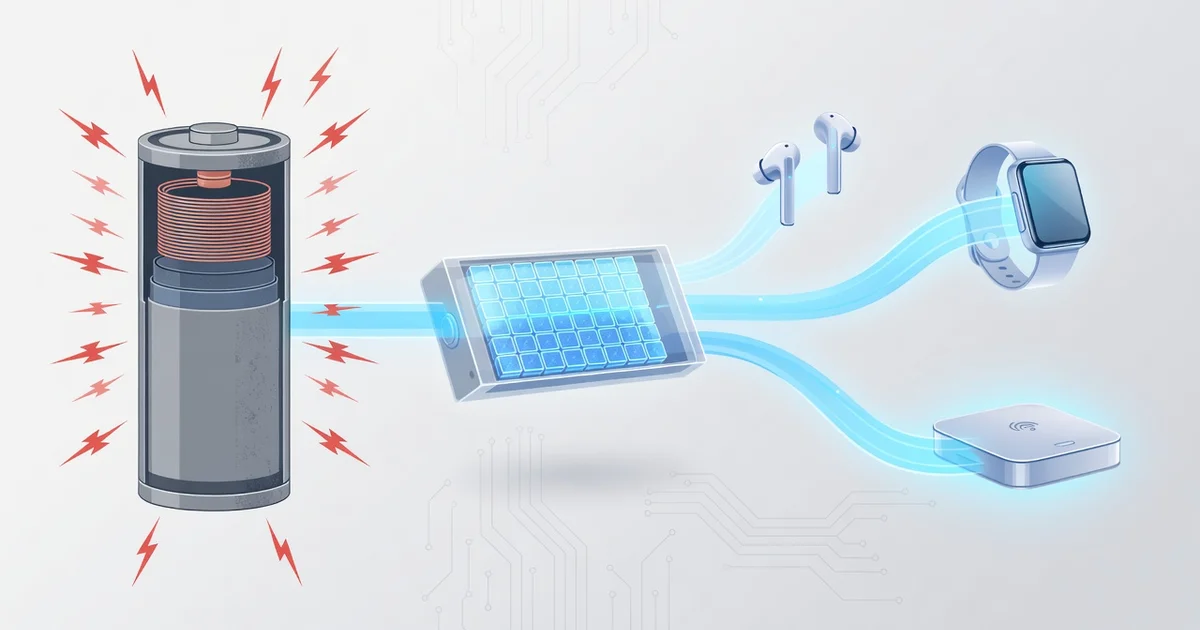
Your wireless earbuds dying mid-commute. Your smartwatch begging for a charge every night. Sound familiar? As our gadgets get thinner and more powerful, battery life has become the make-or-break feature — and that’s exactly why how battery technology is improving wireless gadgets matters more than ever.
The good news: real breakthroughs are arriving. From silicon-anode cells to smarter power management, today’s innovations are delivering longer runtime, faster charging, and slimmer designs. Here’s what’s changed, and what it means for the devices you rely on every day.
Introduction
Wireless gadgets have quietly become the backbone of modern daily life. From earbuds and smartwatches to game controllers, security cameras, and portable speakers, we now depend on devices that must run without a cord. Yet the single biggest frustration with any wireless device has always been the same: the battery. Either it dies too soon, takes too long to charge, or loses capacity after a year of use.
Battery technology is changing that. Over the past decade, advances in chemistry, manufacturing, and power management have made wireless gadgets run longer, charge faster, and last through far more charge cycles than before. This article explores how battery technology is improving wireless gadgets with clear, practical guidance. You will learn the fundamentals behind modern batteries, what the latest developments mean for the devices you own, and simple habits that help you get the most from every charge.
Understanding the fundamentals of how battery technology is improving wireless gadgets helps you make informed decisions. Whether you are choosing your next pair of earbuds or trying to extend the life of a device you already own, the same principles apply. Reliable information and consistent habits lead to better long-term outcomes.
Key Concepts
Before looking at specific improvements, it helps to understand a few core ideas. These concepts explain why one gadget lasts eight hours while another lasts thirty, and why some batteries stay healthy for years while others fade quickly.
Energy density
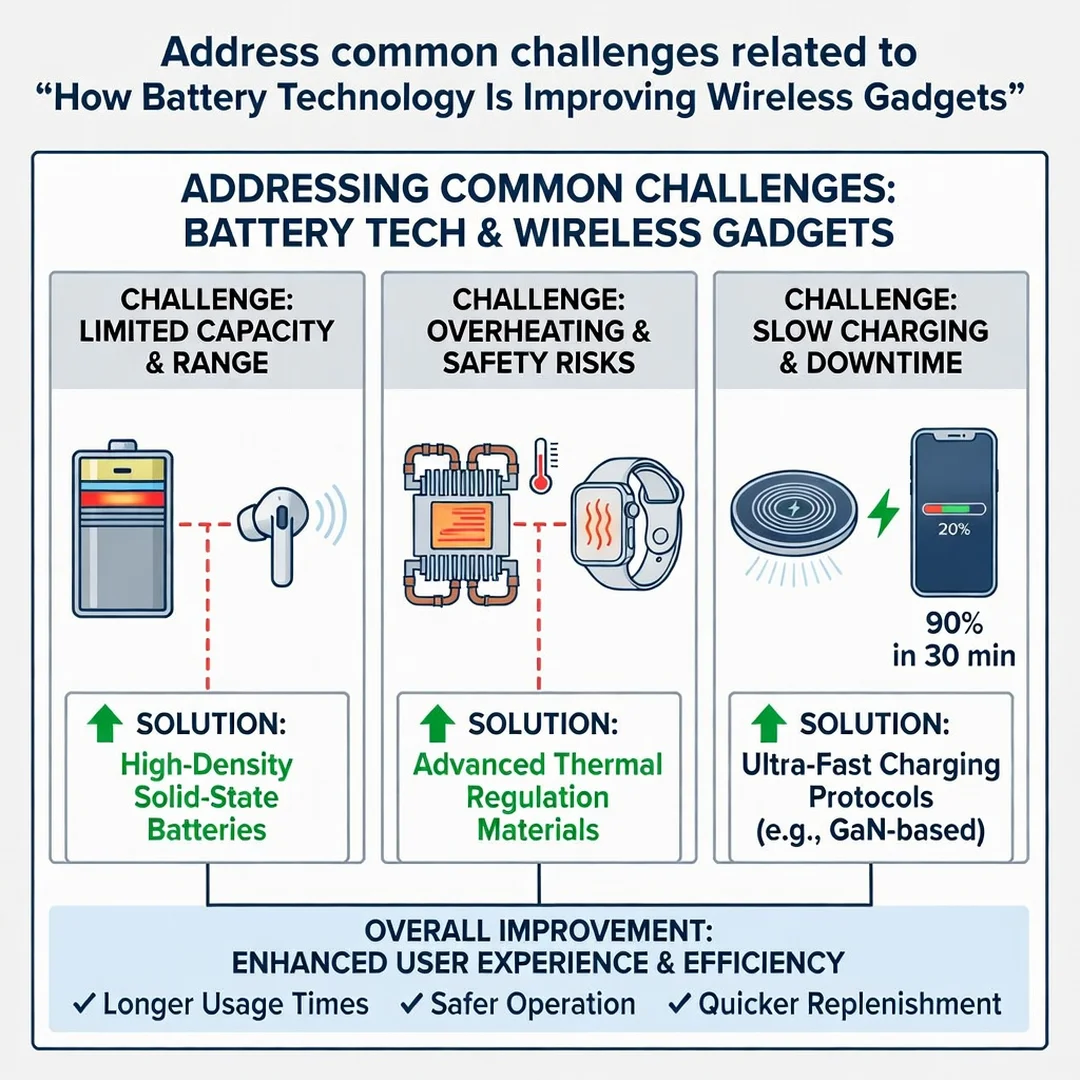
Energy density is the amount of energy a battery can store relative to its size or weight. Higher energy density means more runtime in the same physical space, or the same runtime in a smaller, lighter device. Improvements in energy density are why modern wireless earbuds can pack several hours of playback into a case that fits in your pocket.
Charge cycles and battery health
A charge cycle is roughly one full discharge and recharge of a battery. Most lithium-ion batteries are rated for somewhere between 300 and 1,000 cycles before their capacity drops noticeably. Battery health refers to how much of the original capacity remains. A battery at 80 percent health will deliver noticeably less runtime than when it was new.
Charging speed and power delivery
Fast charging works by pushing more power into the battery during the early part of a charge and then tapering off as the battery fills. Modern charging standards and smarter charging chips let gadgets top up quickly without excessive heat, which is the main enemy of battery longevity.
Power management
Battery improvements are not only about the cell itself. Efficient chips, better sleep modes, and smarter software all reduce how much power a gadget draws. A device with an average battery but excellent power management can outperform one with a superior battery and poor efficiency.
Lithium-ion and newer chemistries
Lithium-ion remains the dominant technology, but variants such as lithium-polymer and lithium iron phosphate (LFP) offer different trade-offs. Newer research into solid-state and silicon-anode batteries promises further gains in capacity, safety, and charging speed.
Deep Dive
To see how these concepts translate into real improvements, it helps to look at where the biggest changes are happening.
Longer runtime in smaller devices
Better energy density means manufacturers can fit more capacity into the same space. Wireless earbuds that once lasted three hours per charge now commonly deliver six to eight, with charging cases adding several more sessions. Smartwatches have moved from barely a day of use to multi-day endurance in many models.
Faster and smarter charging
Fast charging has become standard across most wireless gadgets. More importantly, it has become smarter. Many devices now learn your routine and delay the final portion of a charge until you actually need it, reducing the time the battery spends at 100 percent. This single feature can meaningfully extend battery lifespan.
Improved lifespan and durability
Newer battery management systems monitor temperature, voltage, and current in real time. They prevent overcharging, limit heat, and balance cells more effectively. The result is that a well-designed gadget today can hold a useful charge for several years of normal use, far longer than devices from a decade ago.
Safety improvements
Battery safety has improved through better separators, protective circuitry, and stricter manufacturing standards. While no battery is risk-free, the incidents of overheating and swelling in quality products have fallen considerably as designs have matured.
Environmental and cost considerations
Longer-lasting batteries reduce waste and the frequency of replacement. They also lower the total cost of ownership, since you replace gadgets less often. Some manufacturers now emphasize recycled materials and easier battery replacement, which further reduces environmental impact.
What this means for you
Practically speaking, battery improvements mean you can expect more uptime, less charging anxiety, and devices that stay useful for longer. They also mean that how you charge and store your gadgets matters less than it once did, though good habits still pay off.
Best Practices
Good habits stretch battery life and keep wireless gadgets performing well. None of these steps require special tools or technical knowledge.
- Keep batteries away from extreme heat. Avoid leaving devices in hot cars or direct sunlight.
- Avoid draining to zero regularly. Partial charges are gentler than full discharges.
- Use the charger and cable recommended by the manufacturer when possible.
- Enable any built-in battery health or optimized charging features.
- Store unused gadgets at roughly half charge rather than full or empty.
- Update firmware, since updates often include power management improvements.
- Avoid cheap, uncertified chargers that may deliver inconsistent power.
These habits are simple, but consistency is what produces results. Reliable information and consistent habits lead to better long-term outcomes.
Step-by-Step Guide
Follow these steps to apply what you have learned and get the most from your wireless gadgets.
Step 1: Understand the fundamentals
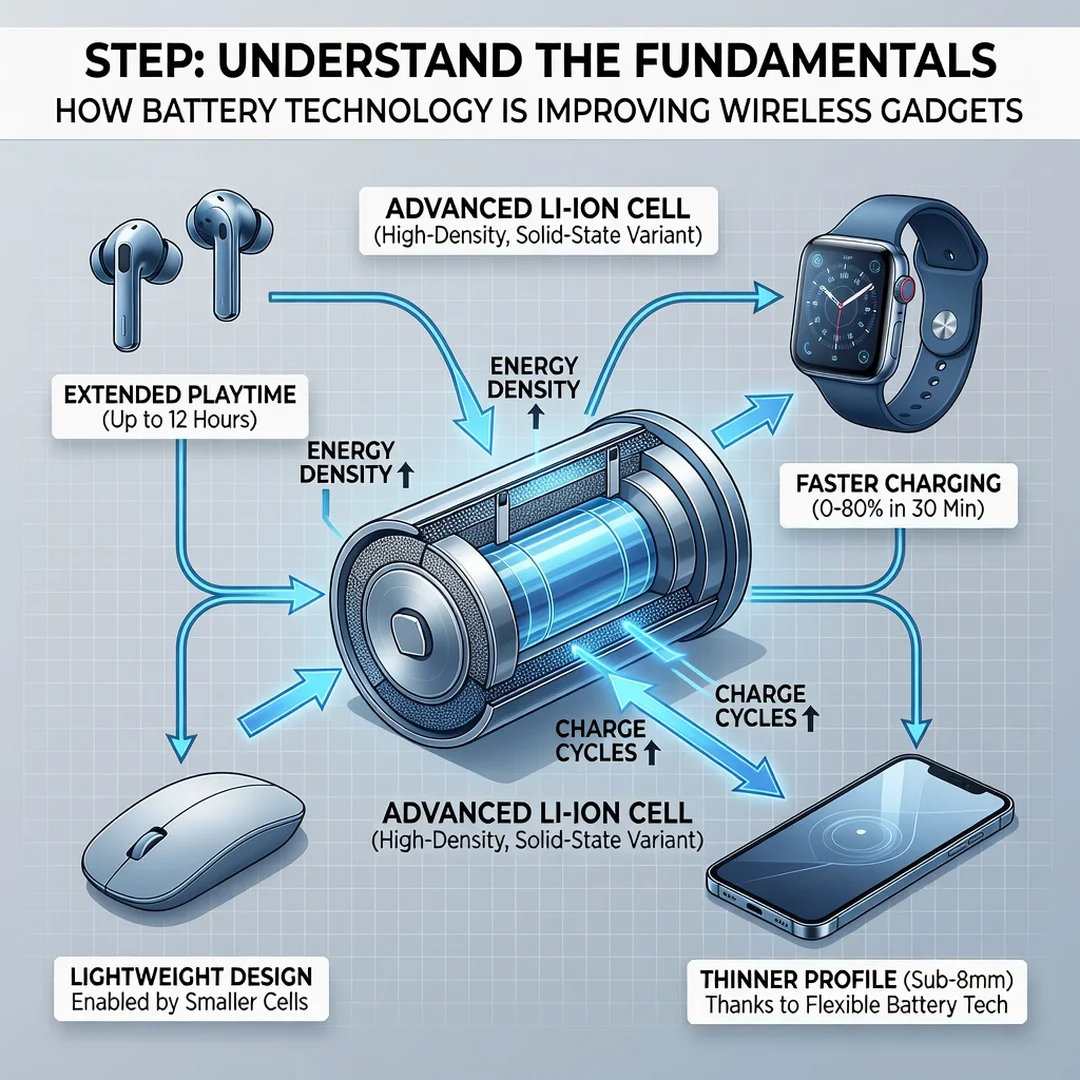
Start by learning the basics of how your device’s battery works. Know whether it uses lithium-ion or lithium-polymer, roughly how many charge cycles it is rated for, and what charging standard it supports. This foundation helps you interpret everything else, from manufacturer claims to troubleshooting advice.
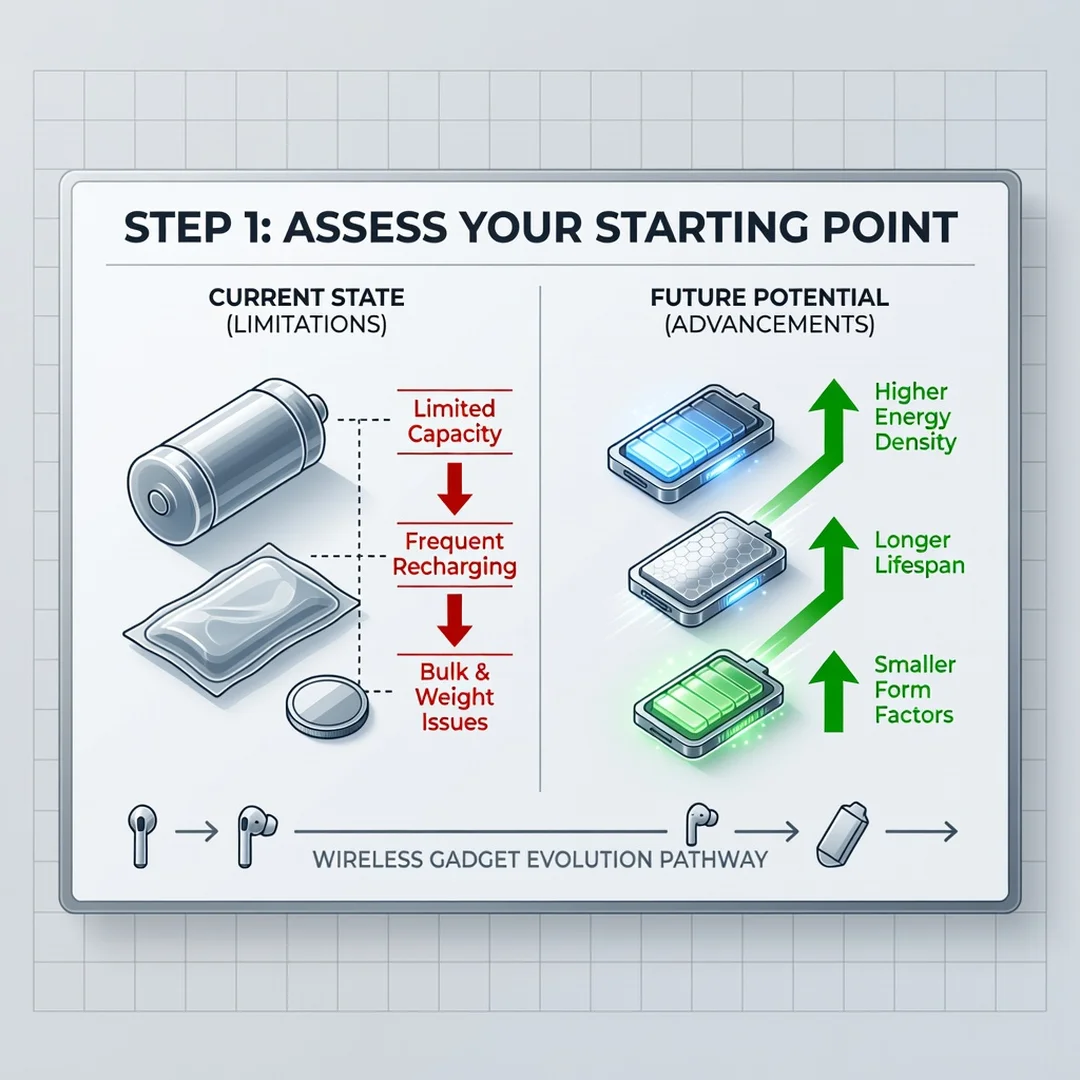
Step 2: Assess your starting point
Check the current battery health of your gadgets. Many phones and laptops show this in settings, while some earbuds and watches display it in their companion apps. Note your typical daily runtime and how often you charge. This gives you a baseline to compare against later.
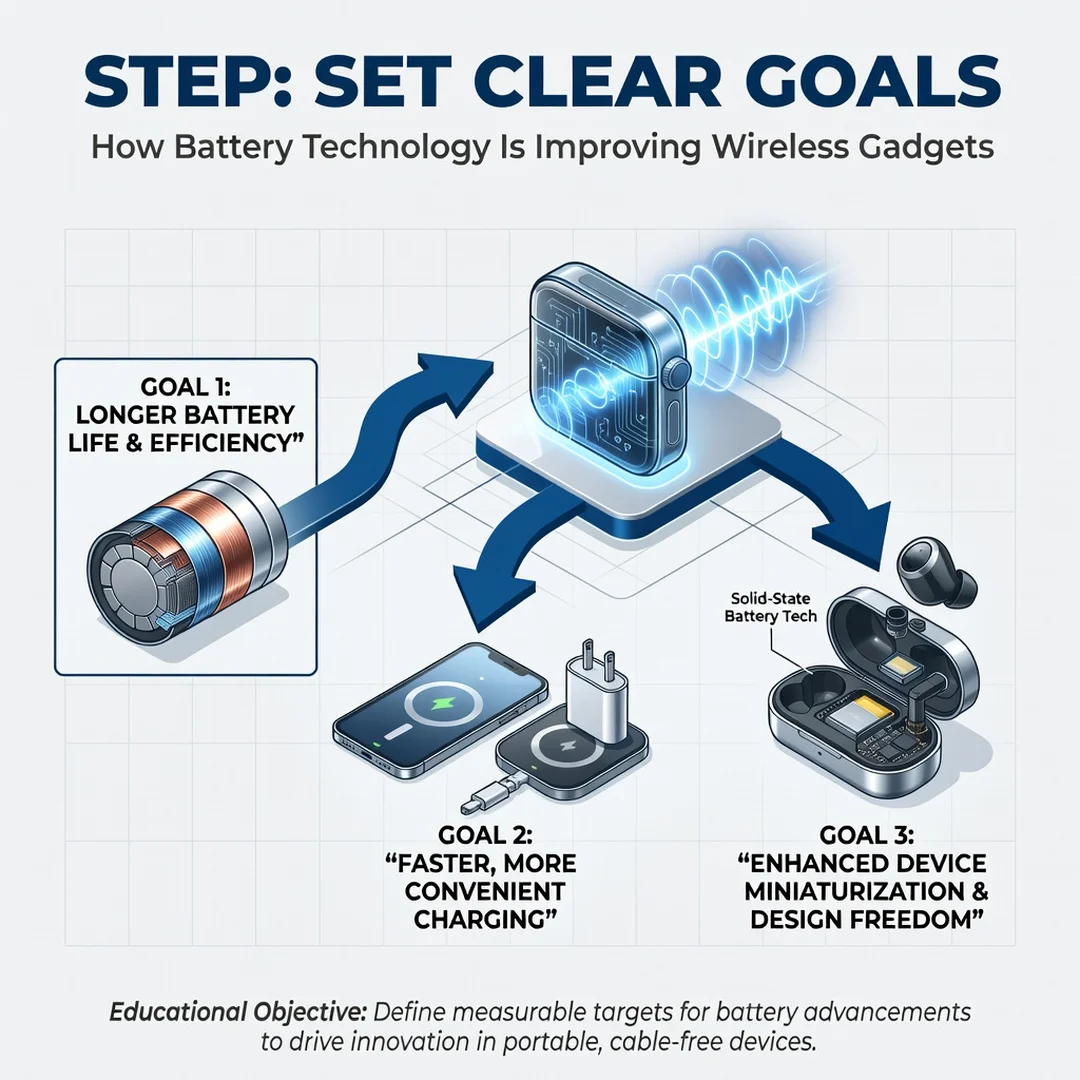
Step 3: Set clear goals
Decide what you want to improve. Do you want a full day of use from your earbuds, a week from your smartwatch, or simply to slow battery decline? Clear goals make it easier to choose the right charging habits and to tell whether your changes are working.
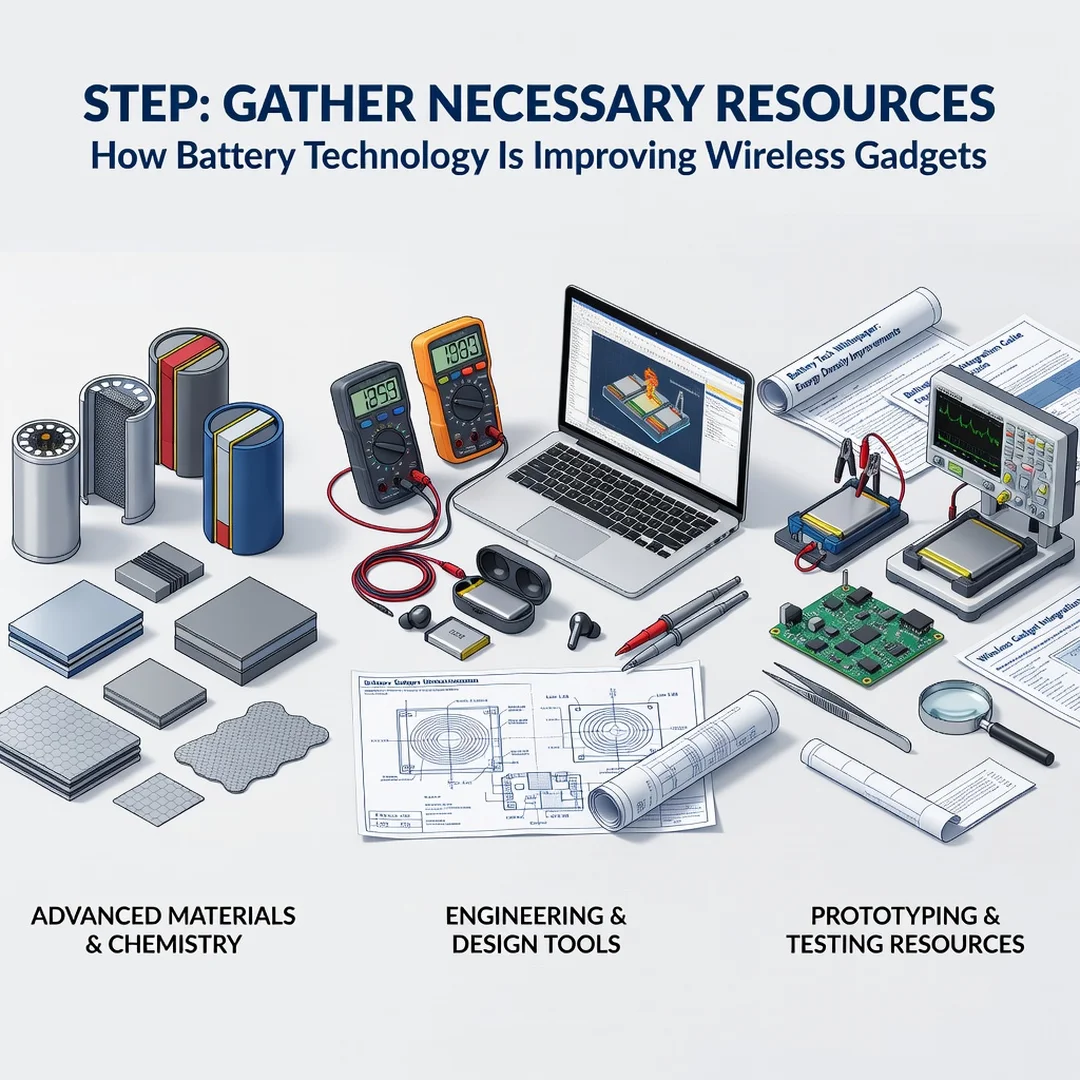
Step 4: Gather necessary resources
Collect what you need: the original charger and cable, any manufacturer app for monitoring battery health, and access to firmware updates. If you plan to replace a device, research which models offer better battery ratings and fast-charging support.
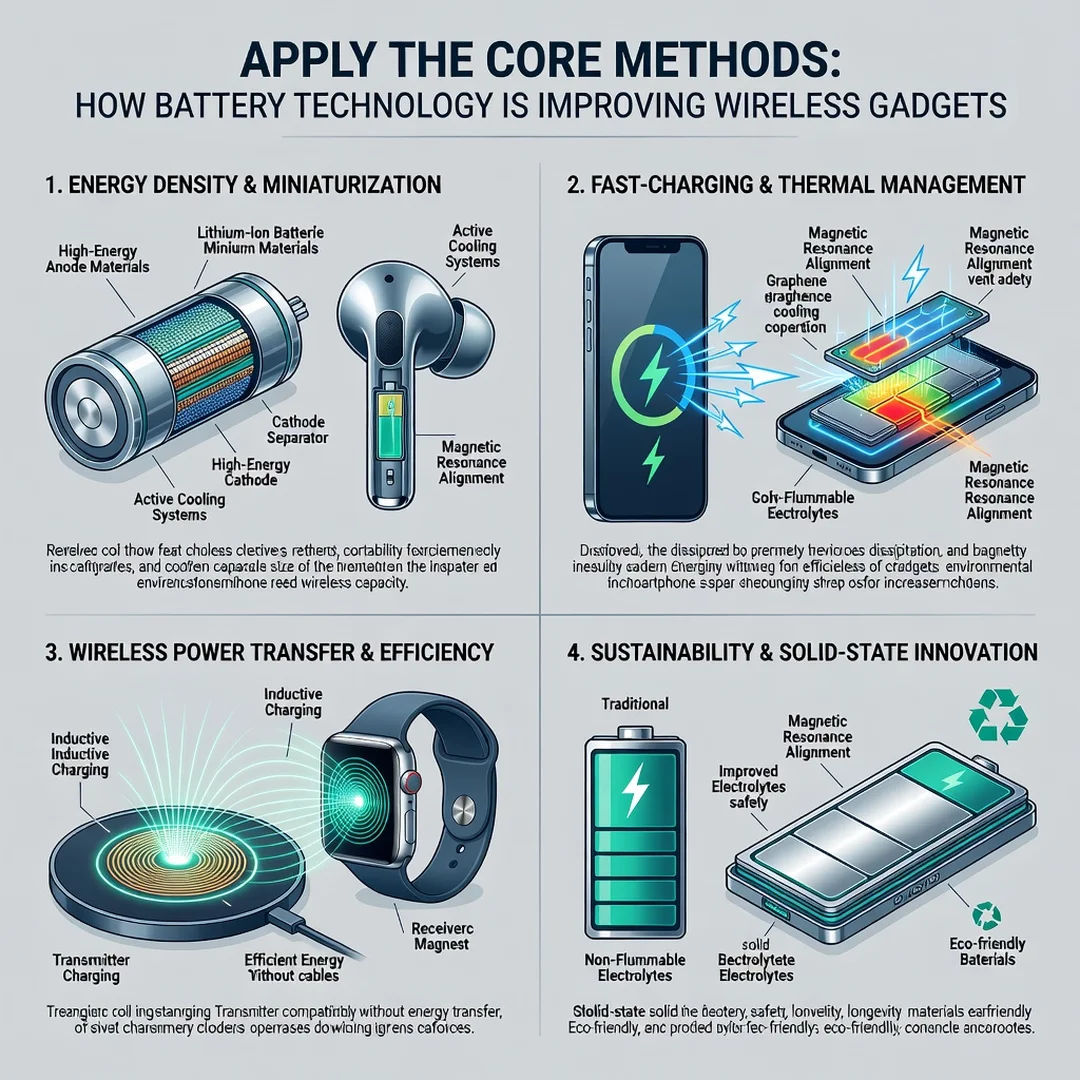
Step 5: Apply the core methods
Put the best practices into action. Enable optimized charging, avoid extreme heat, keep charge levels between roughly 20 and 80 percent when convenient, and use quality accessories. Small adjustments applied consistently matter more than occasional heroic efforts.
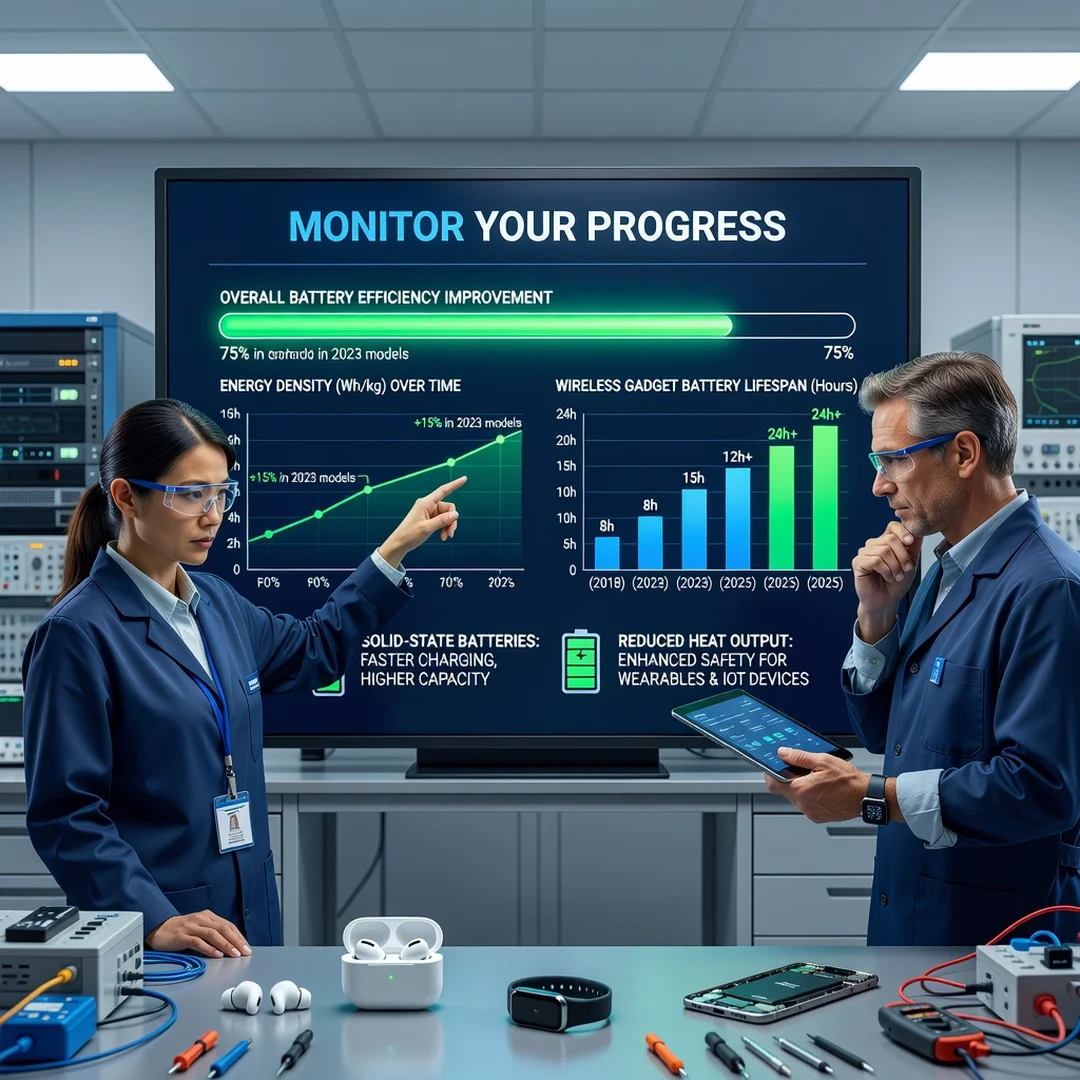
Step 6: Monitor your progress
Recheck battery health every few months. Compare runtime against your baseline. If a battery is declining faster than expected, adjust your habits or consider a replacement. If it is holding steady, keep doing what you are doing.
FAQ
What should I know about How Battery Technology Is Improving Wireless Gadgets?
The key takeaway is that batteries are getting better in three main ways: they store more energy in less space, they charge faster, and they last through more cycles. At the same time, smarter charging software protects them from the heat and stress that cause early decline. Understanding these improvements helps you choose better devices and treat them well. It also means that many of the strict charging rules from the past are less critical today.
Who is this guide for?
This guide is for anyone who uses wireless gadgets and wants them to last longer on each charge and across their lifespan. It is written for general readers, not technicians, so no prior knowledge of battery chemistry is required. Whether you own earbuds, a smartwatch, a wireless mouse, or portable speakers, the principles and steps here apply.
Should I always charge my devices to 100 percent?
Not necessarily. Keeping a battery between roughly 20 and 80 percent for everyday use reduces stress and slows capacity loss. Most modern gadgets manage this automatically with optimized charging features, so you can simply enable those settings and charge normally.
Does fast charging damage batteries?
Modern fast charging is designed to be safe when used with quality chargers and cables. The main risk comes from heat, so avoid charging in hot environments and use manufacturer-approved accessories. Occasional fast charging is fine; constant exposure to extreme heat is the real concern.
How often should I replace a gadget battery?
Most batteries hold up well for two to four years of typical use. When runtime drops to about 70 to 80 percent of the original, replacement or upgrading usually makes sense. Monitoring battery health helps you time that decision.
Conclusion
Battery technology has become one of the quiet forces making wireless gadgets genuinely practical. Thanks to better energy density, faster and smarter charging, and improved lifespan, the devices we rely on every day now run longer and stay useful for years.
You do not need to be an engineer to benefit. Understanding the fundamentals of how battery technology is improving wireless gadgets helps you make informed decisions about what to buy and how to care for it. Applying a few consistent habits, from avoiding heat to enabling optimized charging, will keep your gadgets performing at their best. The technology keeps improving, and with a little knowledge on your side, so can the way you use it.
You now have a solid foundation for How Battery Technology Is Improving Wireless Gadgets. Apply the best practices above and revisit this guide as your needs evolve.