
Audio is evolving faster than most people realize. From immersive spatial sound to AI-driven personalization, emerging audio technologies are reshaping how we experience movies, games, music, and podcasts. These aren’t distant experiments—they’re arriving in consumer devices today.
In this article, we break down the key innovations worth watching and explain what they mean for you. Whether you’re a casual listener or a tech enthusiast, you’ll discover practical ways these advances could upgrade your everyday digital entertainment.
Introduction
Audio technology is undergoing a quiet but dramatic transformation. The way we experience sound in games, films, streaming platforms, virtual worlds, and even social media is being reshaped by a set of emerging tools that promise more immersive, personalized, and responsive listening. If you follow digital entertainment closely, you have likely noticed terms like spatial audio, object-based mixing, AI-driven soundscapes, and lossless streaming appearing more often. These are not just marketing labels. They represent real shifts in how content is created, delivered, and heard.
This article explores emerging audio technologies that could transform digital entertainment with clear, practical guidance. You do not need a background in acoustics or software engineering to benefit from understanding what is happening. Whether you are a casual listener, a content creator, a gamer, or a professional evaluating new production tools, the fundamentals matter. Understanding the basics of these technologies helps you make informed decisions about the gear you buy, the formats you support, and the experiences you seek out. Reliable information and consistent habits lead to better long-term outcomes, and that principle applies just as strongly to audio as it does to any other area of digital life.
In the sections that follow, we will break down key concepts, take a deep dive into how these technologies work in practice, outline best practices, and answer common questions. The goal is not to turn you into an audio engineer overnight, but to give you a grounded, actionable understanding of where digital entertainment audio is heading and how you can make the most of it today.
Key Concepts
Before exploring specific technologies, it helps to define the core ideas that appear again and again. These concepts form the vocabulary you will encounter in product descriptions, developer documentation, and industry news.
Spatial and Immersive Audio
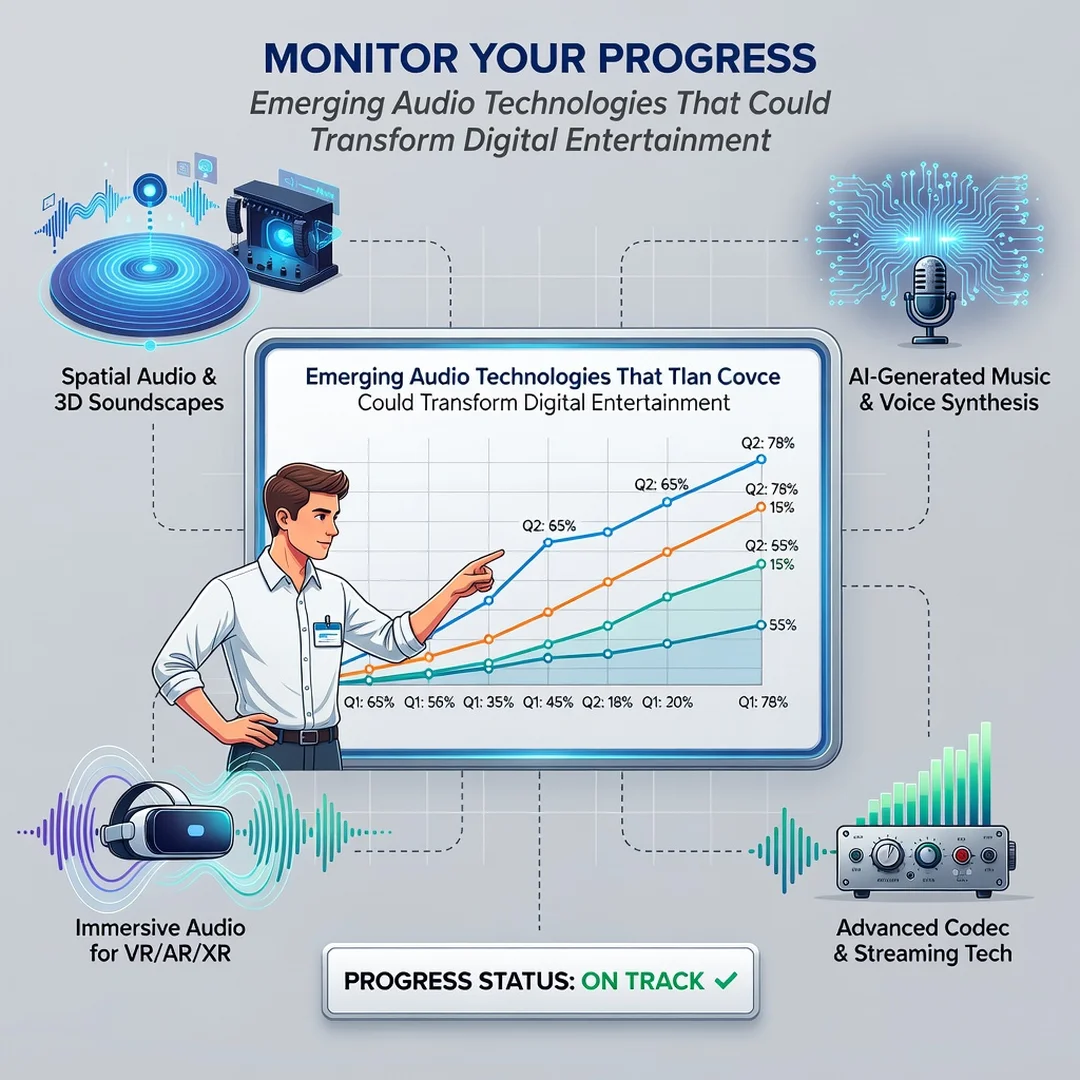
Spatial audio refers to sound that is placed in a three-dimensional space around the listener, rather than simply left and right. Traditional stereo uses two channels. Surround sound adds more channels, such as 5.1 or 7.1. Immersive formats like Dolby Atmos, DTS:X, and Sony 360 Reality Audio go further by treating each sound as an object with a position in 3D space. This means a helicopter can hover above you, a whisper can come from behind your left shoulder, and a crowd can wrap around you. The key benefit is a stronger sense of presence, which is especially powerful in games, virtual reality, and film.
Object-Based Mixing
Instead of assigning sounds to fixed speakers, object-based mixing defines where a sound should be at any moment. The playback system then calculates how to reproduce that position based on your specific setup, whether you are using a soundbar, headphones, or a full home theater. This flexibility is a major reason immersive audio is spreading so quickly across devices.
AI and Machine Learning in Audio
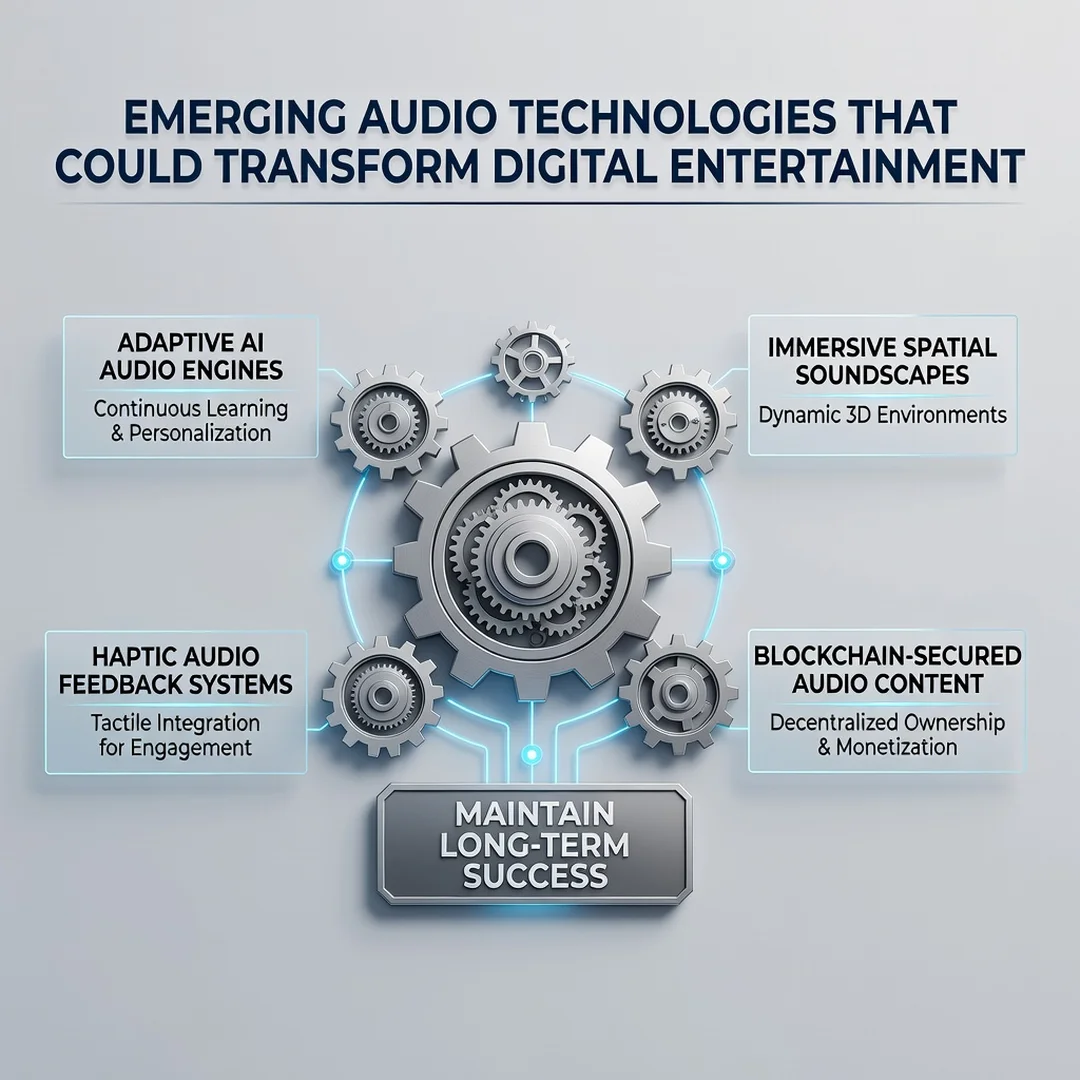
Artificial intelligence is being used to separate stems, remove noise, upmix stereo to immersive formats, generate sound effects, and personalize mixes in real time. For example, some platforms can now adjust dialogue clarity based on your hearing profile or the ambient noise in your room. AI is also behind real-time voice isolation in games and streaming, making communication clearer without expensive hardware.
Lossless and High-Resolution Streaming
Streaming services increasingly offer lossless audio, which preserves the original recording data, and high-resolution audio, which exceeds CD quality. While not every listener will notice a difference on every device, the trend matters because it raises the baseline for what is available. Combined with better compression codecs like Opus and AAC, listeners can now get higher quality at lower bandwidth than before.
Personalized and Adaptive Audio
Adaptive audio changes based on context. A game might emphasize footsteps when you are sneaking and pull back the music during dialogue. A streaming app might boost speech frequencies for a viewer watching on a phone speaker. Personalized audio goes a step further by using hearing tests or user profiles to tailor the output to your ears. These technologies are still maturing, but they point toward a future where sound is not one-size-fits-all.
Deep Dive
To understand how these technologies could transform digital entertainment, it helps to look at where they are already making a difference and what is coming next.
Gaming and Virtual Worlds
Games have been among the fastest adopters of spatial audio. Competitive players use positional cues to locate enemies, while immersive single-player titles use dynamic soundscapes to build atmosphere. Emerging tools allow developers to simulate realistic acoustics, such as echoes in a cave or muffled sound through a wall, without manually tuning every scenario. As virtual and augmented reality grow, audio will carry even more of the immersive load, because sound can convey space and distance more efficiently than visuals alone.
Film, Television, and Streaming
Streaming platforms are investing heavily in immersive audio because it differentiates their content and works across a wide range of devices. A movie mixed in Dolby Atmos can sound expansive on a high-end system and still deliver clear dialogue on a laptop. Object-based mixing also makes localization easier, since dialogue and effects can be adjusted for different languages without remixing the entire soundtrack. For viewers, the practical result is more consistent, engaging sound regardless of where they watch.
Music and Live Performance
Spatial audio is moving into music, with artists releasing immersive mixes that place instruments around the listener. Live concerts are experimenting with binaural streams that mimic being in the audience. AI tools are helping producers remix back catalogs into immersive formats, which could bring new life to older recordings. While some purists prefer traditional stereo, the creative possibilities are expanding rapidly.
Social and Interactive Media
Social platforms are using AI to clean up audio in real time, reduce background noise, and enhance voice clarity. This matters for podcasts, live streams, and virtual meetings, but it also affects entertainment formats like interactive shows and audio-first social apps. As these tools become cheaper and more embedded, high-quality audio will become an expectation rather than a luxury.
Hardware and Delivery
None of these software advances matter without hardware that can reproduce them. Headphones with head tracking, soundbars with upward-firing speakers, and earbuds with adaptive EQ are becoming more common and more affordable. At the same time, codecs and streaming protocols are improving, allowing immersive and lossless audio to reach more people over ordinary internet connections. The combination of better software and better hardware is what will ultimately drive mainstream adoption.
Best Practices
To get the most from emerging audio technologies, you do not need to overhaul your entire setup. A few consistent habits and informed choices can make a significant difference.
- Match the format to the device. Immersive audio shines on capable hardware, but it can also be downmixed gracefully. Check whether your headphones, speakers, or soundbar support the formats you want to use.
- Prioritize source quality. Lossless and high-resolution streams only help if your connection and playback chain can handle them. Start with a stable connection and a decent DAC or headphone output.
- Use personalization features wisely. Hearing profiles and adaptive EQ can improve clarity, but they can also color the sound. Try them, compare with neutral settings, and choose what sounds best to you.
- Keep software updated. Firmware updates for headphones, soundbars, and streaming apps often add new codecs, bug fixes, and spatial audio support.
- Test before you invest. If you are buying new gear, listen to content you know well. Bring your own headphones or test tracks when possible.
- Be mindful of volume and fatigue. Immersive audio can encourage louder listening. Use volume limits and take breaks, especially during long gaming or streaming sessions.
- Learn the basics of your playback chain. Knowing how your source, processor, and speakers interact helps you troubleshoot and make better upgrades.
Step-by-Step Guide
If you want to adopt and benefit from emerging audio technologies in your own entertainment setup, follow these steps. They are designed to be practical and achievable regardless of your starting budget or experience level.
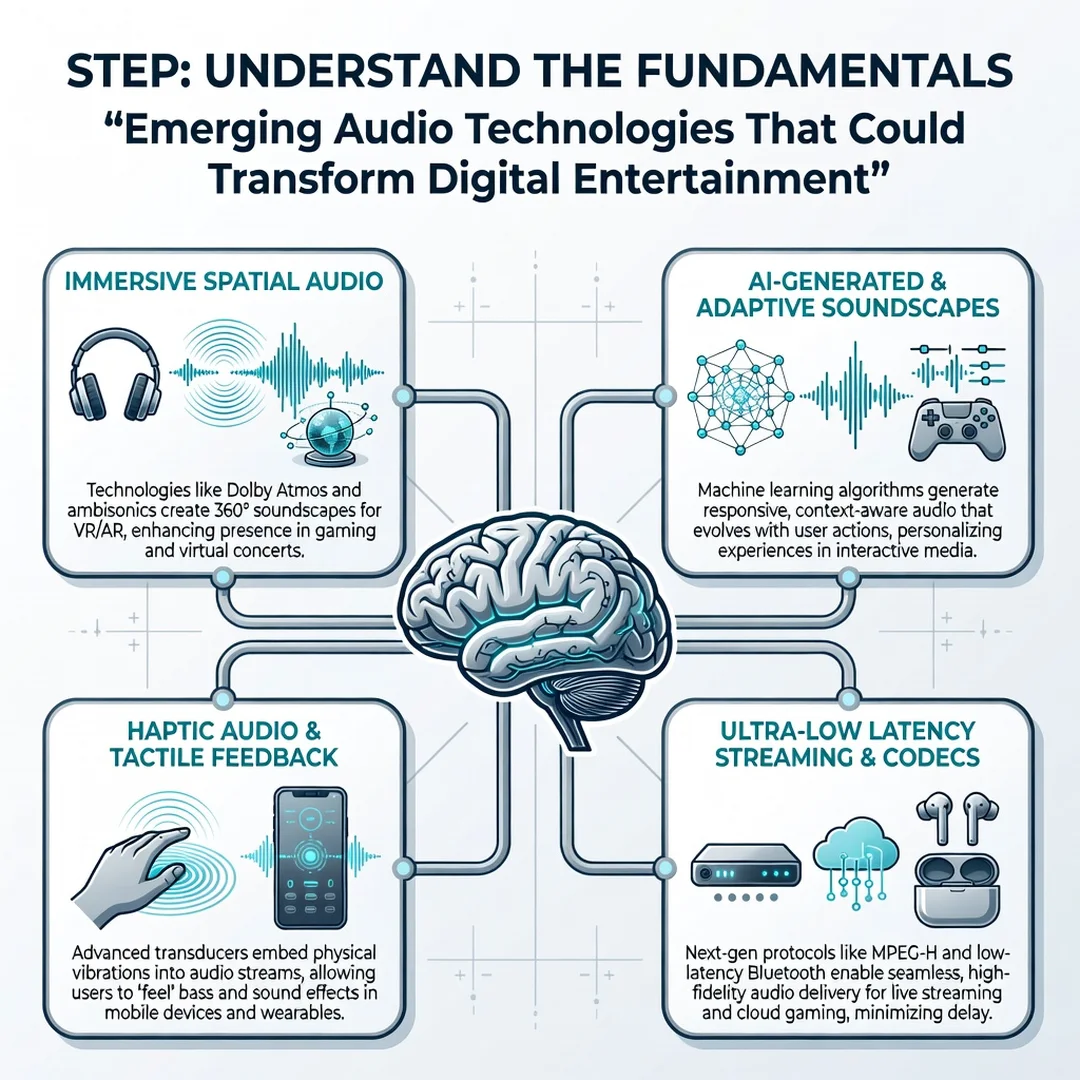
Step 1: Understand the fundamentals
Start by learning the core concepts covered earlier: spatial audio, object-based mixing, lossless streaming, and adaptive audio. You do not need deep technical knowledge, but you should be able to recognize the terms and understand what they promise. Read a few product reviews, watch explainer videos, or browse manufacturer documentation. The goal is to build a mental model so you can evaluate claims and avoid marketing hype.
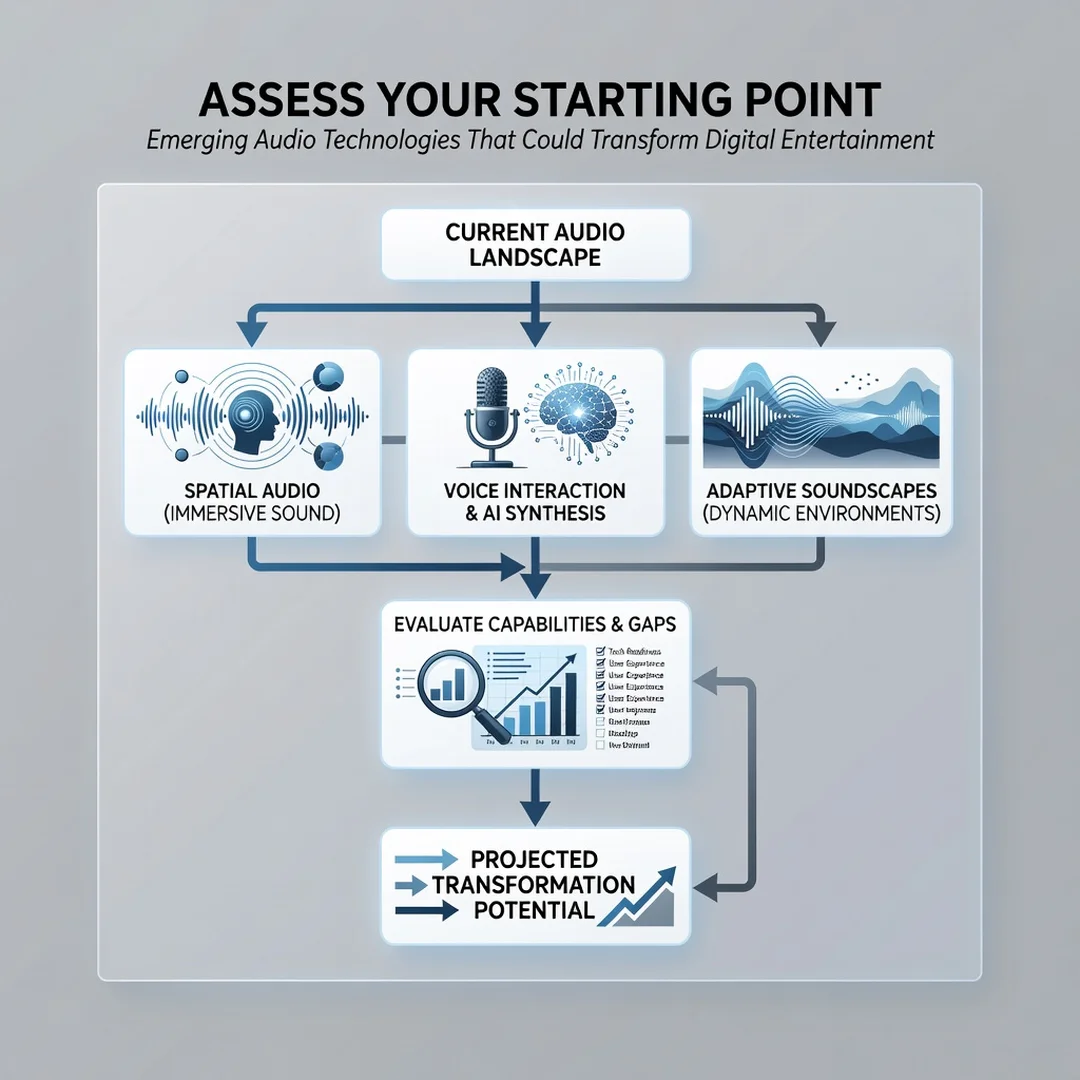
Step 2: Assess your starting point
Take inventory of what you already own and how you use it. What headphones, speakers, or soundbars do you have? Which streaming services and apps do you use most? Do you game on a console, PC, or mobile device? Understanding your current setup helps you identify gaps and avoid unnecessary purchases. For example, if your headphones do not support spatial audio, buying an immersive streaming plan may not deliver the full benefit.
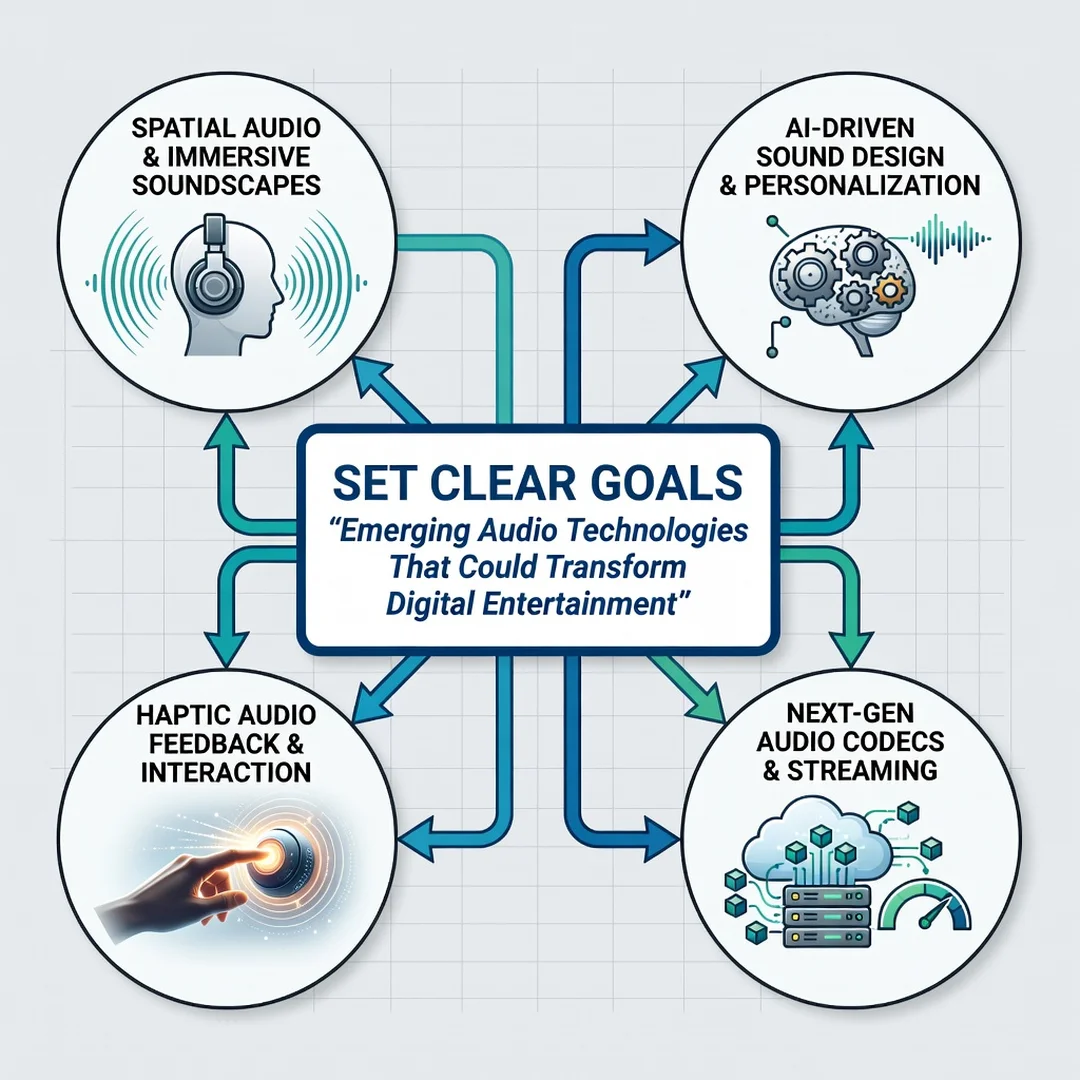
Step 3: Set clear goals
Decide what you want to improve. Are you looking for more immersive gaming, clearer dialogue in films, better music fidelity, or more comfortable long listening sessions? Different goals lead to different priorities. A gamer might prioritize head tracking and low latency. A film fan might focus on a soundbar with upward-firing drivers. A music listener might invest in a good DAC and lossless streaming. Write down one or two specific goals to keep your decisions focused.
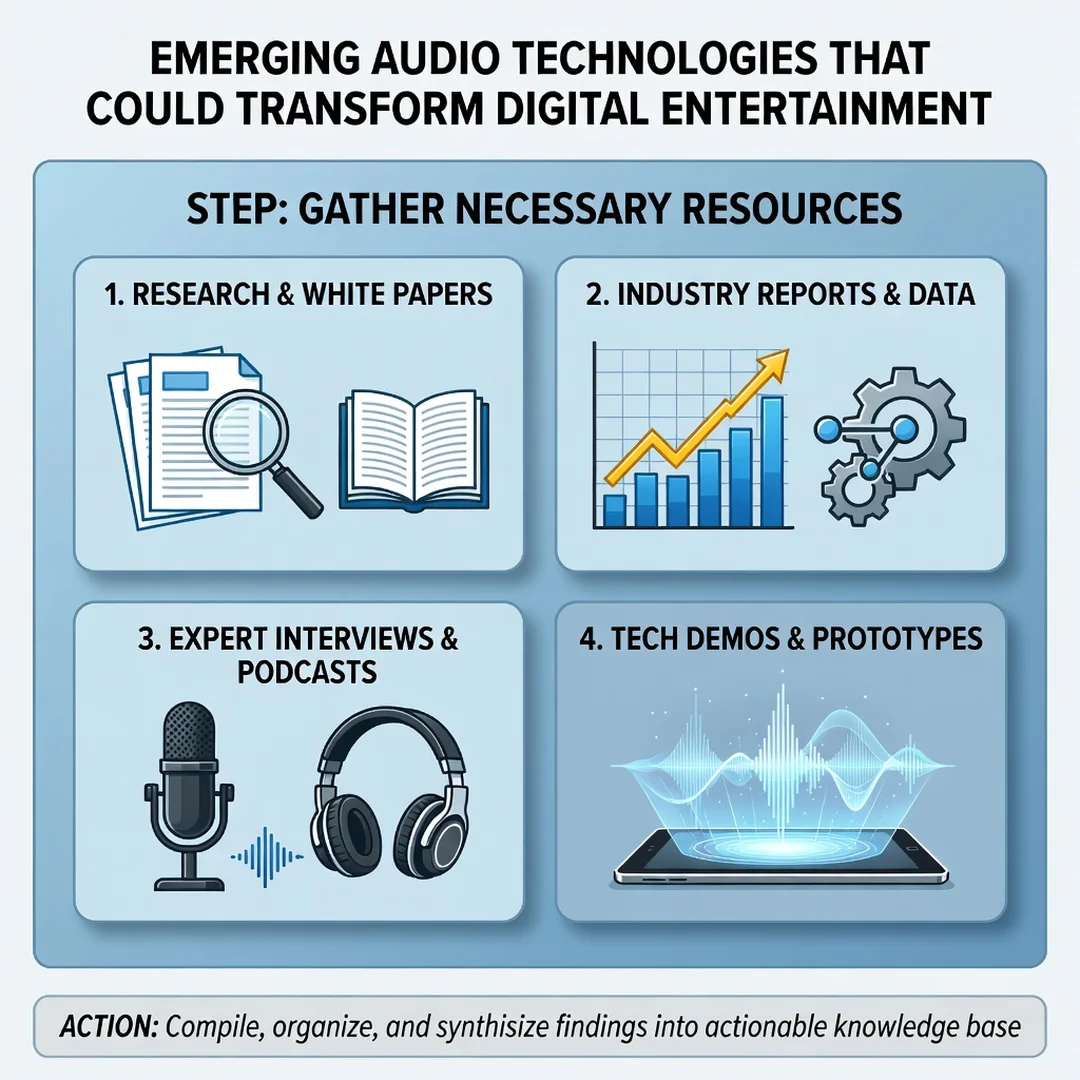
Step 4: Gather necessary resources
Based on your goals, identify the resources you need. This could include a compatible device, a subscription tier, firmware updates, or simply time to test settings. Many improvements are free: enabling spatial audio in an app, adjusting EQ, or repositioning speakers. Others require investment. Set a budget and prioritize upgrades that address your main goal. Do not overlook cables, adapters, and room acoustics, which can affect performance more than expected.
Step 5: Apply the core methods
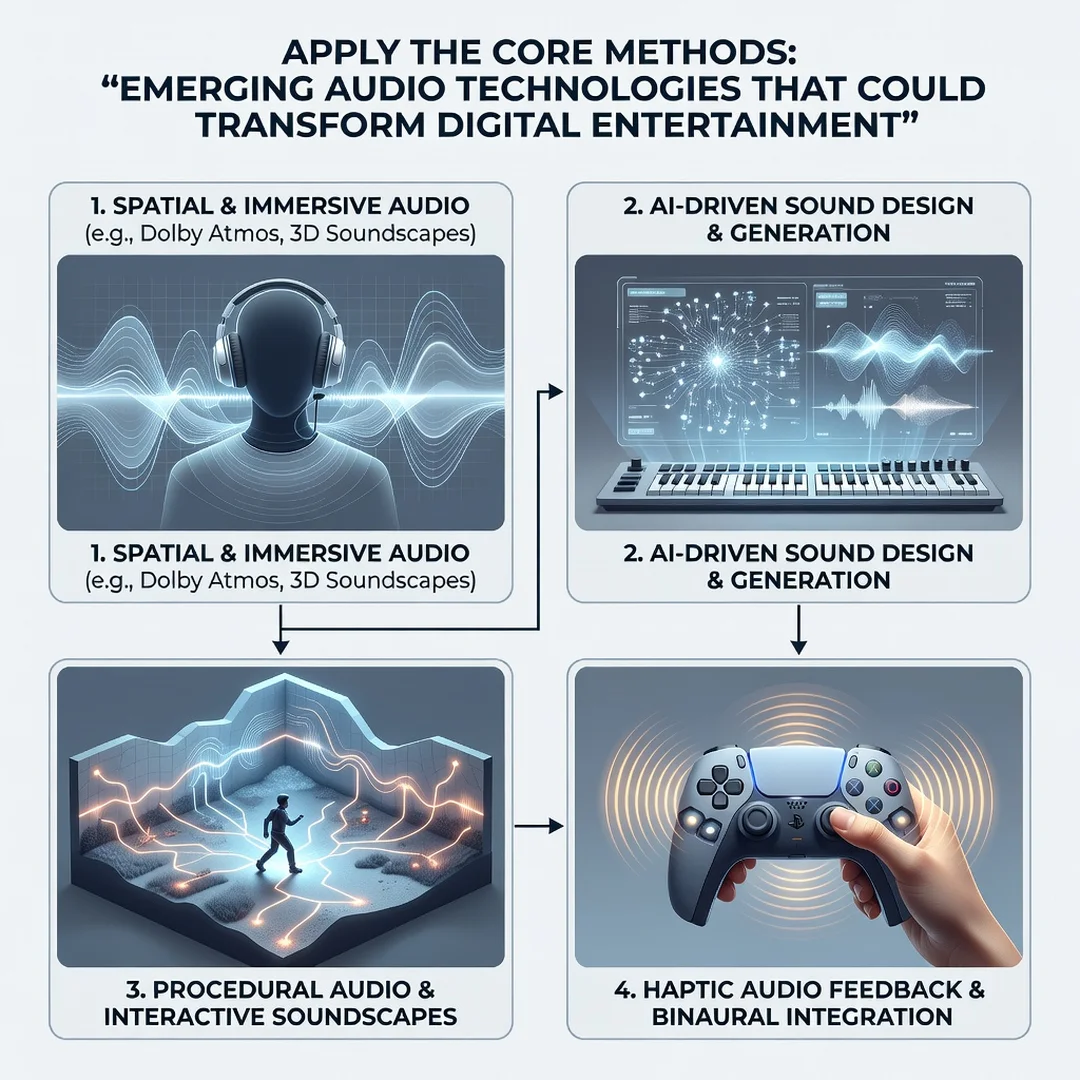
Now put the technology to work. Enable immersive audio formats where available. Try personalized sound profiles. Test different placements for speakers or headphones. Experiment with content you know well so you can hear differences clearly. If you are a creator, explore object-based mixing tools and AI-assisted cleanup. If you are a listener, focus on configuring your existing gear.
You now have a solid foundation for Emerging Audio Technologies That Could Transform Digital Entertainment. Apply the best practices above and revisit this guide as your needs evolve.