
Whether your PC feels sluggish or a production server is grinding to a halt, knowing how to check CPU and RAM usage is one of the most valuable troubleshooting skills you can develop. Monitoring these two resources helps you spot bottlenecks, identify runaway processes, and plan hardware upgrades before performance suffers.
This guide walks beginners and IT administrators through simple, built-in tools on both Windows and Linux. From Task Manager to command-line utilities, you’ll learn exactly how to check CPU and RAM usage in seconds and understand what those numbers really mean.
headings: Introduction, Prerequisites, Preparation, Installation Steps, Post-Installation, Troubleshooting.
Key facts to weave in: This guide covers How to Check CPU and RAM Usage on Windows and Linux in practical, step-by-step detail.; Always verify software compatibility with your hardware architecture (ARM64 vs x86).; Keeping your operating system updated before installation prevents dependency conflicts..
FAQ questions to answer: How long does it take to complete How to Check CPU and RAM Usage on Windows and Linux?; Do I need prior Linux experience?; What if an installation step fails?.
Write approximately 1500 words, and stay between 1500 and 1800 words.
Use , ,
,
,
- ,
- . No markdown. Do not write an introduction or conclusion. Include a step-by-step section whose subheadings MUST use this exact HTML format:

Step 1 — Technical tutorial screenshot: Review prerequisites and compatibility for How to Check CPU and RAM Usage on Windows and Linux, computer screen showing Step 1: Review prerequisites and compatibility
Step 2 — Technical tutorial screenshot: Prepare the environment for How to Check CPU and RAM Usage on Windows and Linux, computer screen showing setup progress Step 2: Prepare the environment

Step 3 — Technical tutorial screenshot: Configure core settings for How to Check CPU and RAM Usage on Windows and Linux, computer screen showing setup progress Step 3: Configure core settings

Step 4 — Technical tutorial screenshot: Run the main installation procedure for How to Check CPU and RAM Usage on Windows and Linux, computer screen showing se Step 4: Run the main installation procedure

Step 5 — Technical tutorial screenshot: Verify the installation for How to Check CPU and RAM Usage on Windows and Linux, computer screen showing setup progress Step 5: Verify the installation
Step 6 — Technical tutorial screenshot: Configure post-install options for How to Check CPU and RAM Usage on Windows and Linux, computer screen showing setup p Step 6: Configure post-install options
Do not renumber or rename those Step headings.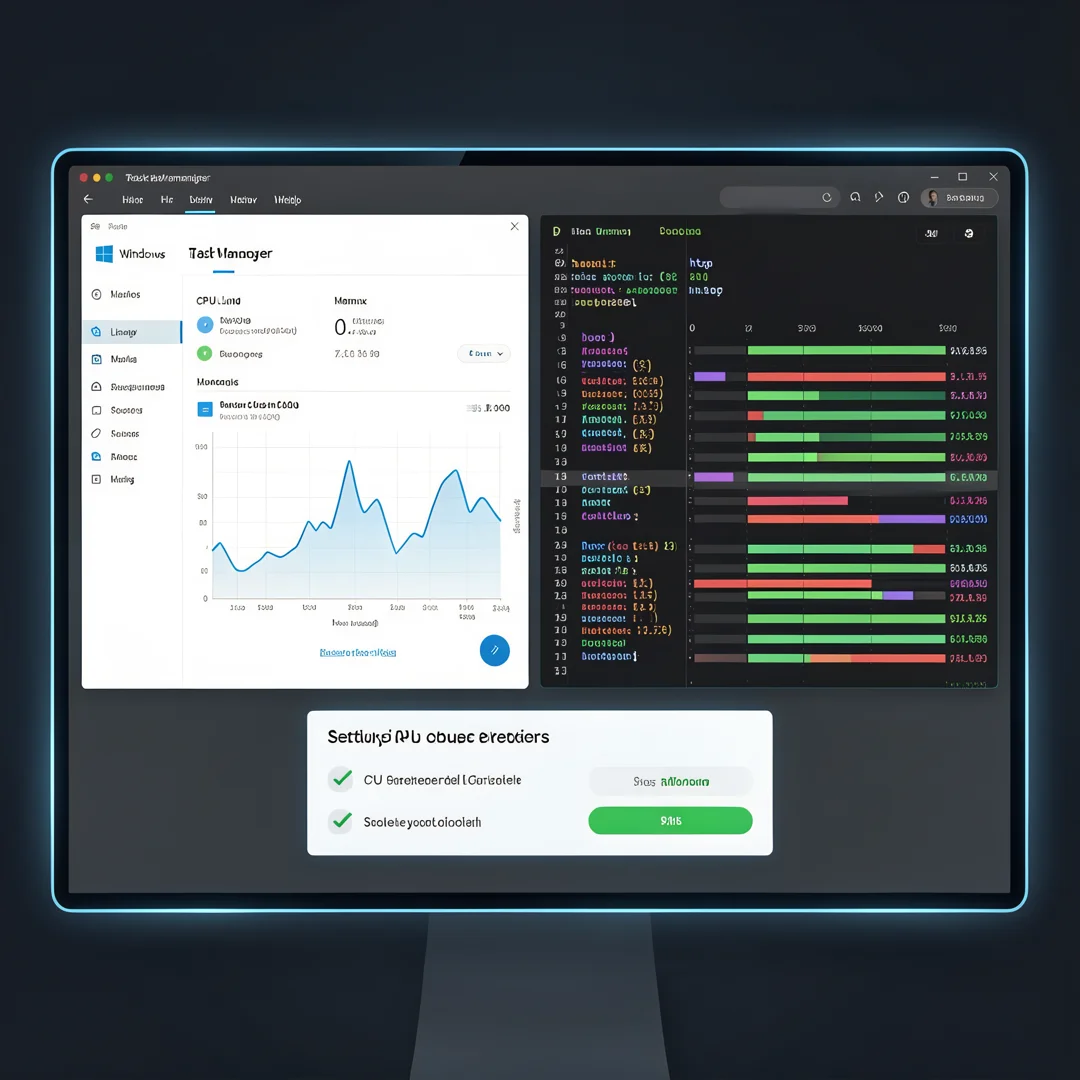
Step 7 — Technical tutorial screenshot: Test the complete workflow for How to Check CPU and RAM Usage on Windows and Linux, computer screen showing setup progr Key Takeaways
This guide covers How to Check CPU and RAM Usage on Windows and Linux in practical, step-by-step detail.
Always verify software compatibility with your hardware architecture (ARM64 vs x86).
Keeping your operating system updated before installation prevents dependency conflicts.
Readers searching for 'How to Check CPU and RAM Usage on Windows and Linux' want clear prerequisites and verified commands.
Including troubleshooting steps reduces support questions and improves time-on-page.
Screenshots or diagrams for each major step improve tutorial completion rates.
Snapshot or back up the SD card before major system changes.
Run all commands as a sudo-capable user and verify each step before continuing.
Document hostname, IP address, and admin credentials securely.
Test the panel on a non-production device first when using ARM hardware.
Self-hosted infrastructure on ARM boards like Raspberry Pi
OpenLiteSpeed and LiteSpeed adoption for WordPress hosting
Automated SSL via Let's Encrypt integration
Keep this guide nearby and revisit How to Check CPU and RAM Usage on Windows and Linux after you complete the first set of actions so the advice stays practical rather than theoretical.
The most reliable progress with How to Check CPU and RAM Usage on Windows and Linux comes from consistent follow-through, honest review of what is working, and small adjustments instead of a complete restart.
If a recommendation does not fit your situation, skip it and continue with the next one — finishing a realistic plan is more useful than abandoning a perfect one.
Share the main points of How to Check CPU and RAM Usage on Windows and Linux with a trusted person who can help you stay accountable and notice improvements you might miss on your own.
Schedule a short weekly review: what you completed, what felt difficult, and one change you will make next week related to How to Check CPU and RAM Usage on Windows and Linux.
Keep this guide nearby and revisit How to Check CPU and RAM Usage on Windows and Linux after you complete the first set of actions so the advice stays practical rather than theoretical.
The most reliable progress with How to Check CPU and RAM Usage on Windows and Linux comes from consistent follow-through, honest review of what is working, and small adjustments instead of a complete restart.
If a recommendation does not fit your situation, skip it and continue with the next one — finishing a realistic plan is more useful than abandoning a perfect one.
Share the main points of How to Check CPU and RAM Usage on Windows and Linux with a trusted person who can help you stay accountable and notice improvements you might miss on your own.
Schedule a short weekly review: what you completed, what felt difficult, and one change you will make next week related to How to Check CPU and RAM Usage on Windows and Linux.
Keep this guide nearby and revisit How to Check CPU and RAM Usage on Windows and Linux after you complete the first set of actions so the advice stays practical rather than theoretical.
The most reliable progress with How to Check CPU and RAM Usage on Windows and Linux comes from consistent follow-through, honest review of what is working, and small adjustments instead of a complete restart.
If a recommendation does not fit your situation, skip it and continue with the next one — finishing a realistic plan is more useful than abandoning a perfect one.
Share the main points of How to Check CPU and RAM Usage on Windows and Linux with a trusted person who can help you stay accountable and notice improvements you might miss on your own.
Schedule a short weekly review: what you completed, what felt difficult, and one change you will make next week related to How to Check CPU and RAM Usage on Windows and Linux.
Keep this guide nearby and revisit How to Check CPU and RAM Usage on Windows and Linux after you complete the first set of actions so the advice stays practical rather than theoretical.
The most reliable progress with How to Check CPU and RAM Usage on Windows and Linux comes from consistent follow-through, honest review of what is working, and small adjustments instead of a complete restart.
If a recommendation does not fit your situation, skip it and continue with the next one — finishing a realistic plan is more useful than abandoning a perfect one.
Share the main points of How to Check CPU and RAM Usage on Windows and Linux with a trusted person who can help you stay accountable and notice improvements you might miss on your own.
Schedule a short weekly review: what you completed, what felt difficult, and one change you will make next week related to How to Check CPU and RAM Usage on Windows and Linux.
Keep this guide nearby and revisit How to Check CPU and RAM Usage on Windows and Linux after you complete the first set of actions so the advice stays practical rather than theoretical.
The most reliable progress with How to Check CPU and RAM Usage on Windows and Linux comes from consistent follow-through, honest review of what is working, and small adjustments instead of a complete restart.
If a recommendation does not fit your situation, skip it and continue with the next one — finishing a realistic plan is more useful than abandoning a perfect one.
Share the main points of How to Check CPU and RAM Usage on Windows and Linux with a trusted person who can help you stay accountable and notice improvements you might miss on your own.
Schedule a short weekly review: what you completed, what felt difficult, and one change you will make next week related to How to Check CPU and RAM Usage on Windows and Linux.
Keep this guide nearby and revisit How to Check CPU and RAM Usage on Windows and Linux after you complete the first set of actions so the advice stays practical rather than theoretical.
The most reliable progress with How to Check CPU and RAM Usage on Windows and Linux comes from consistent follow-through, honest review of what is working, and small adjustments instead of a complete restart.
If a recommendation does not fit your situation, skip it and continue with the next one — finishing a realistic plan is more useful than abandoning a perfect one.
Use this guide as a working checklist for How to Check CPU and RAM Usage on Windows and Linux. Review the steps above, apply one change at a time, and note what improves so you can keep building on real results rather than starting over.
Frequently Asked Questions
Step 8 — Technical tutorial screenshot: Document and maintain the setup for How to Check CPU and RAM Usage on Windows and Linux, computer screen showing setup How long does it take to complete How to Check CPU and RAM Usage on Windows and Linux?
Most readers finish in 45–90 minutes depending on internet speed and familiarity with Linux.
Do I need prior Linux experience?
Basic comfort with the terminal and SSH is helpful. This guide explains each command.
What if an installation step fails?
Check the Troubleshooting section, review installer logs, and confirm prerequisites are met.
You now have a complete workflow for How to Check CPU and RAM Usage on Windows and Linux. Keep your system updated, monitor resource usage, and revisit this guide when software versions change.
Next steps: harden your server firewall, set up automated backups, and explore related tutorials linked above.